 English (United Kingdom)
  Hebrew
  Русский (Россия)
  Español (España)
 {gallery}banners{/gallery}

ייסוד לשכת מצפה 6 (1838) - ירושלים
שמנה וסולתה של ירושלים, ולמרבה הפליאה גם של חיפה , ייסדו את לשכת מצפה בשנת 1933.
כאן נספר מעט עליהם ועל פועלם.
ויהי בהיות השמש בקו הצהרים ביום ארבעה במאי 1933,
נאספו 38 מופלאים, אחים ממסדר הבונים החופשים,
לייסד בעיר ירושלים את לשכת מצפה 1383, היא לשכת מצפה 6.
ואלה שמות המייסדים ותולדותיהם, כפי שנחתמו בספר הלשכה לפי סדר כתיבתו.
רשימת לשכות כחולות בישראל
הרשימה מחולקת לפי אזורים - הקליק על איזור במפה
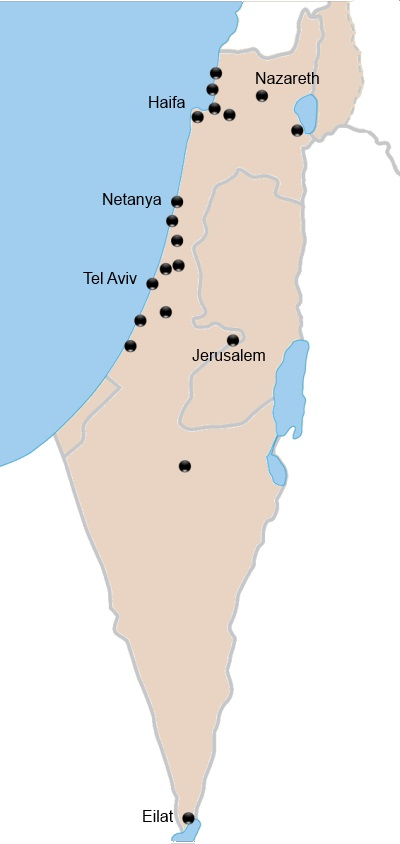
בישראל כ-1000 אחים רשומים בכ-80 לשכות בכל רחבי הארץ,
העובדות בשפה העברית, ערבית, צרפתית, רוסית, ספרדית, רומנית ותורכית.
רשימת לשכות כחולות בישראל
הרשימה מחולקת לפי אזורים - לחץ על הקישור:
לאיזור השרון ולשכות נוספות במרכז
הלשכה הגדולה מתאספת בימי שלישי האחרון של חודשים 1,3,6,9,11
| שם הלשכה | שפה | יום עבודה /שבוע | |
|---|---|---|---|
| הלשכה הגדולה | עברית | שלישי/4 בחודשים 1,3,6,9,11 | |
| 10 | אביב | עברית | חמישי/ 2 |
| 13 | הכוכב | עברית | חמישי/ 1,3 |
| 17 | ברקאי | עברית | חמישי/ 1.3 |
| 20 | בצלאל | עברית | שני / 4 |
| 21 | חרמון | עברית | שני / 3 |
| 30 | גזית- לשכת הדרכה | עברית | משתנה |
| 32 | השחר | רומנית | רביעי / 1 |
| 42 | לומייר | צרפתית | חמישי 1 / 3 |
| 50 | הארץ הקדושה | עברית | משתנה |
| 58 | עלומים | עברית | רביעי / 2 |
| 62 | לה פרטרינדד | ספרדית | חמישי / 1,2,3,4 |
| 73 | נור | תורכית | שלישי / 2 |
| 78 | לשכת נשיאים מוניטפיורי | אנגלית | בחודשים 4,6,10,12 |
| 82 | גוויל - לשכת מחקר | עברית | 4 פעמים בשנה |
| 83 | הודיני | עברית | משתנה |
| 84 | ירושלים | עברית | ראשון / 3 |
| 85 | מוצרט | רוסית | רביעי / 2 |
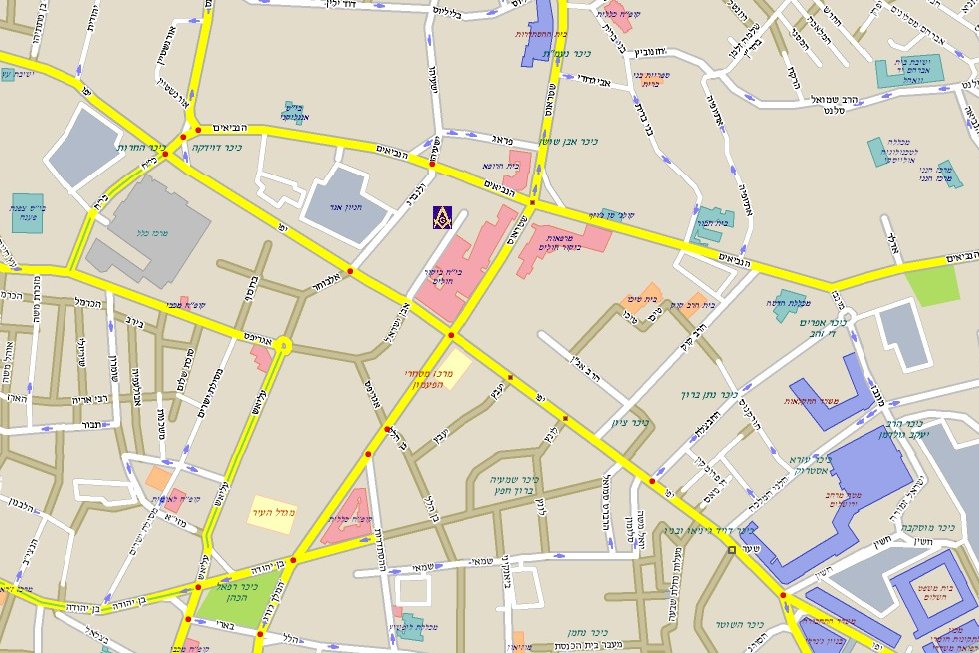
אזור ירושלים
רחוב עזרת ישראל 13, ירושלים
|
שם הלשכה | שפה | יום עבודה / שבוע | |
|---|---|---|---|
| 2 | הר ציון | עברית | שני / 2,4 |
| 4 | העיר הקדושה | אנגלית | שני / 3 |
| 6 | מצפה | עברית | שני / 1 |
| 8 | רשב"י | עברית | רביעי / 2 |
| 25 | האבן המעוקבת | עברית | במקרים מיוחדים |
| 26 | עין השילוח - האר"י | עברית | חמישי/ 1,3 |
אזור חיפה
חזור לתחילת העמוד
רחוב הנשיא 119 , מרכז הכרמל, חיפה 64238
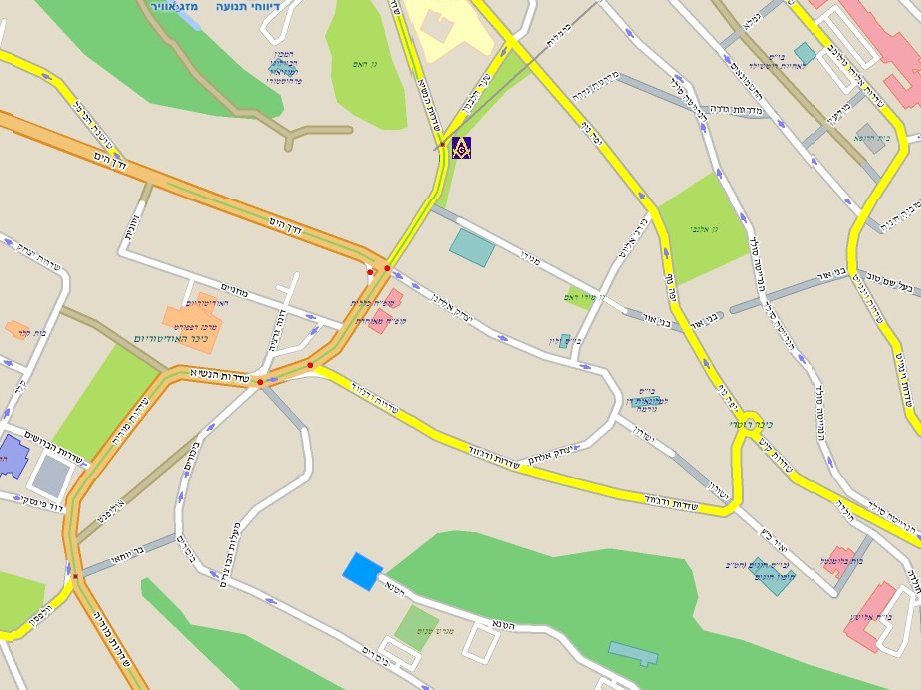
| שם הלשכה | שפה | יום עבודה / שבוע | |
|---|---|---|---|
| 1 | ראובן | עברית | שלישי / 2 |
| 16 | אליהו הנביא | עברית | חמישי / 2,4 |
| 19 | מנורה | עברית | ראשון / 1 |
| 28 | לבנון | עברית | שני / 4 |
| 44 | הר כרמל | English | חמישי / 3 |
| 56 | יעקב כספי | עברית | רביעי / 4 |
| 61 | נעמן | עברית | רביעי / 3 |
| 80 | עלי וויס | עברית | ראשון ה-3 בחודשים 3,6,9,11,12 |
אזור הצפון
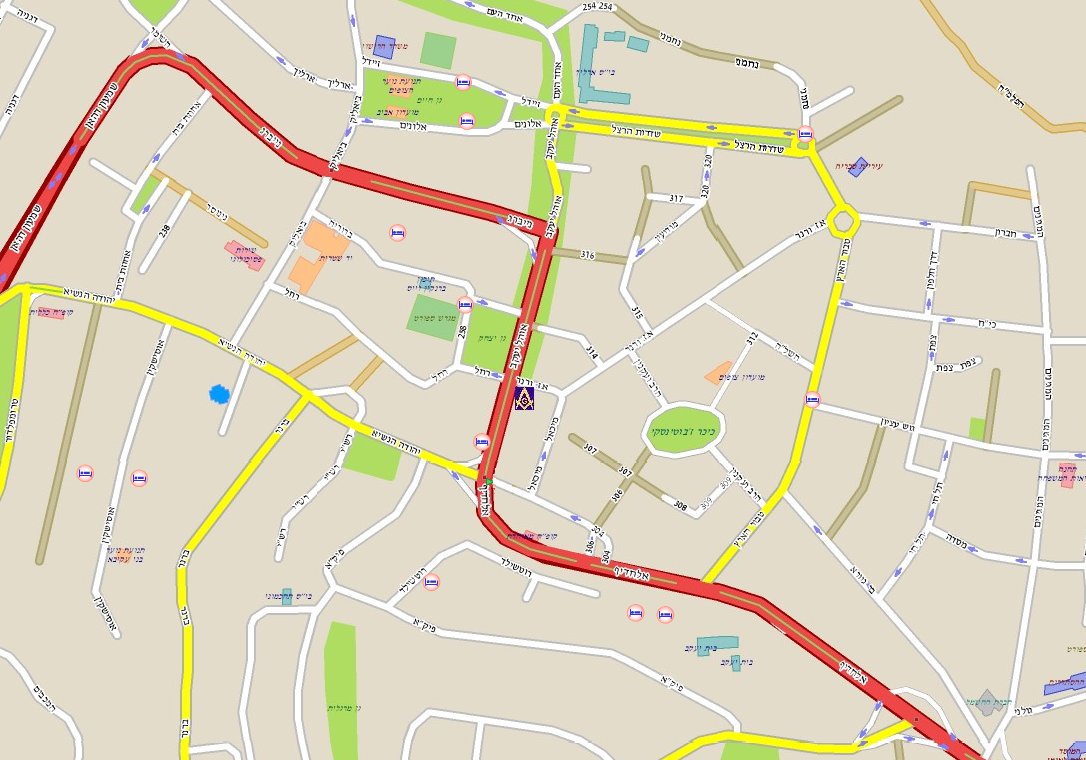
טבריה - 14366 רחוב אוהל יעקב 6, קריית שמואל, טבריה
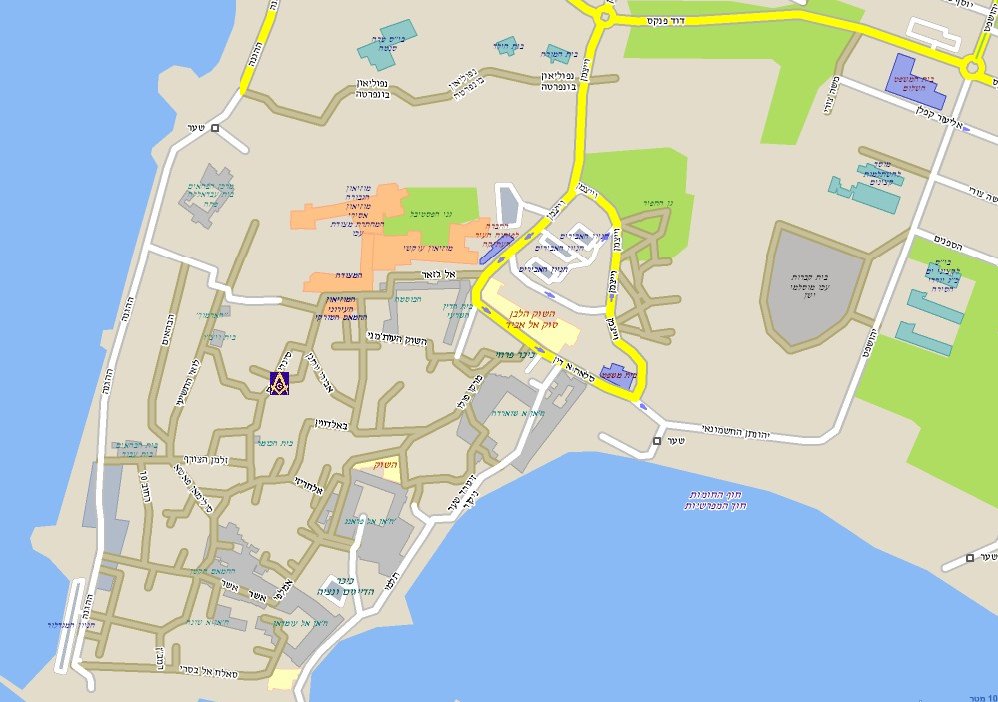
נהריה - רחוב גני השלושה 22, נהריה
נצרת 1: מלון גראנד ניו הוטל נצרת
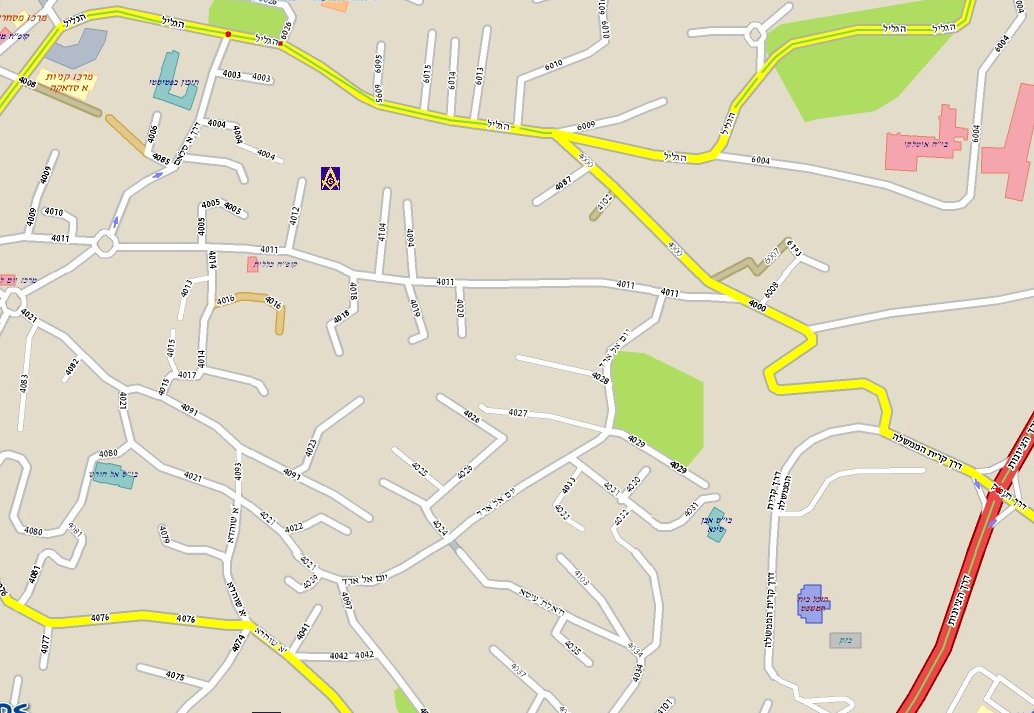
נצרת 2: בניין ימק"א (ליד הבית חולים), נצרת
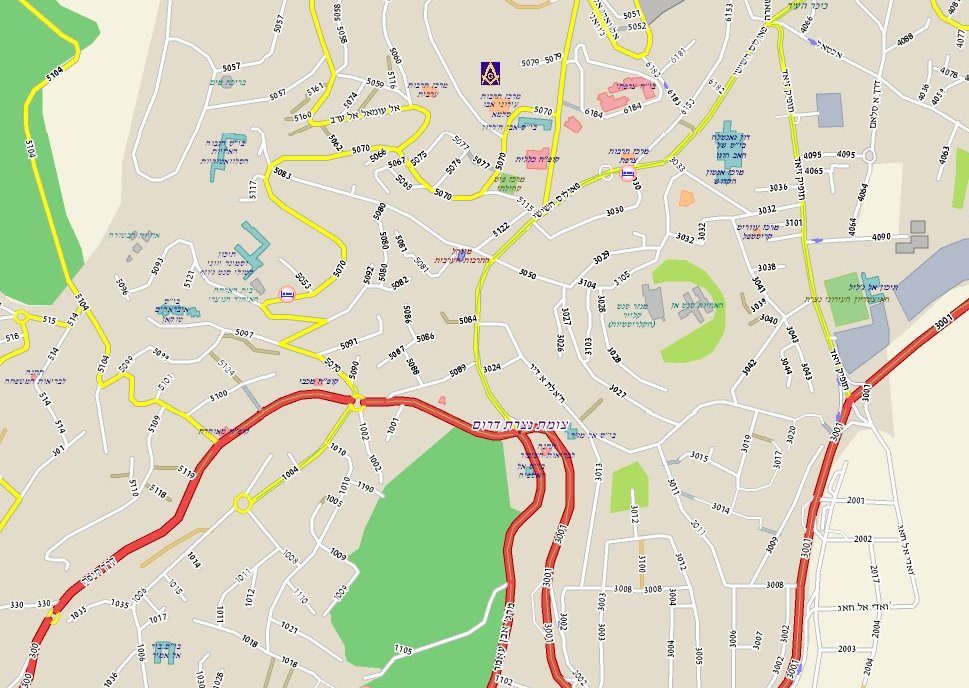
שפרעם - בית הקשיש - מול מתחם העירייה - שפרעם
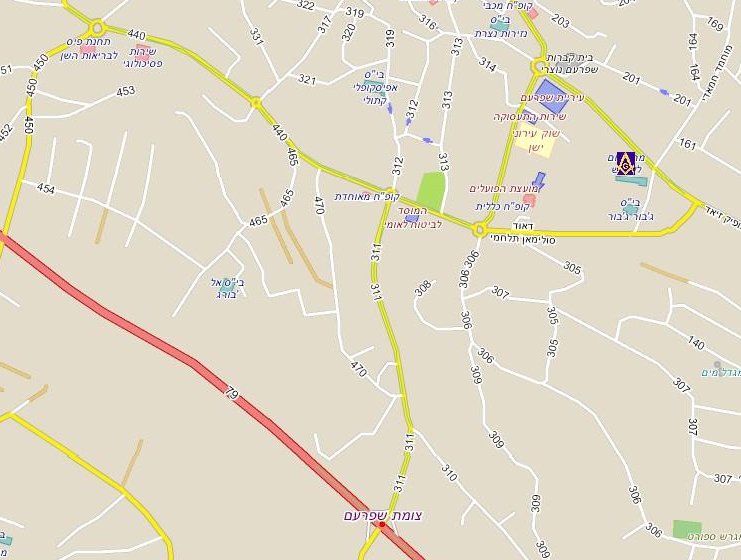
| שם הלשכה | שפה | יום עבודה / שבוע | מקום עבודה | |
|---|---|---|---|---|
| 9 | גינוסר | עברית | חמישי / 3 | טבריה |
| 36 | עכו | ערבית | רביעי / 3 | עכו |
| 37 | געתון | עברית | שלישי / 1,3 | נהריה |
| 31 | גליל | ערבית | נצרת 1 | |
| 71 | נצרת | ערבית | שני / 1 | נצרת 2 |
| 45 | חיידר | ערבית | רביעי / 4 | שפרעם |
אזור המרכז
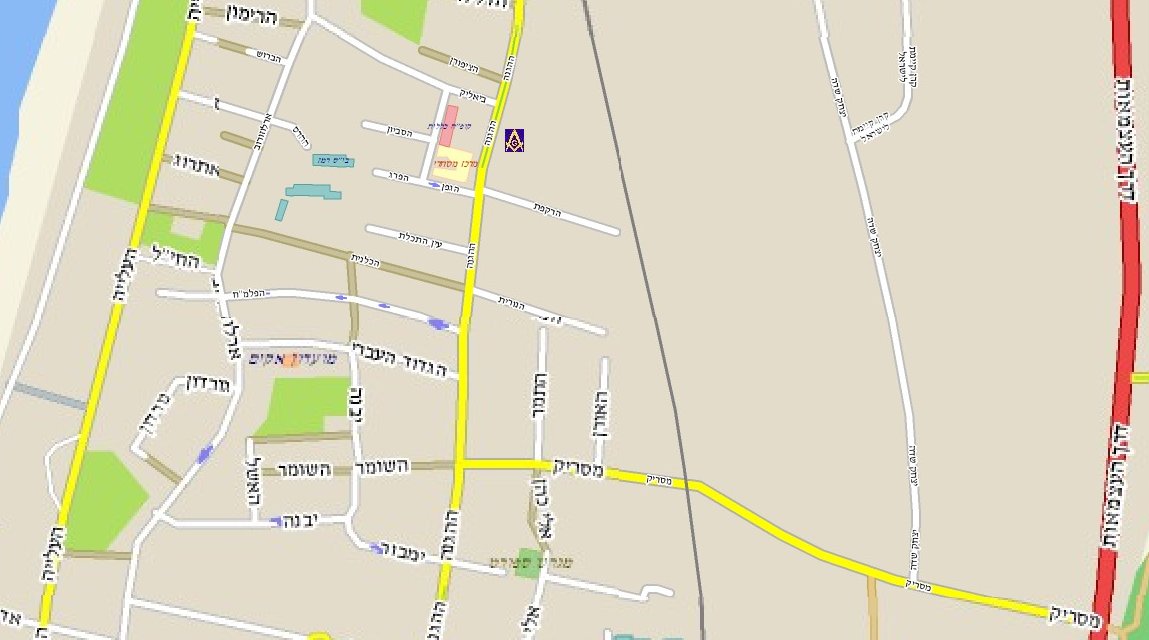
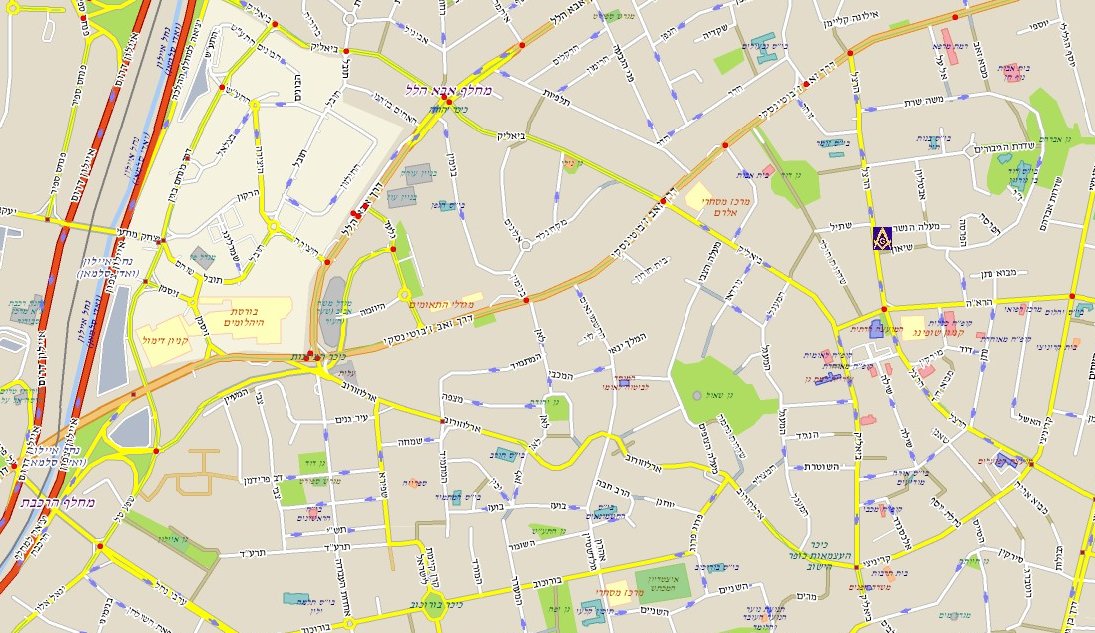
חדרה: רחוב רוטשילד 17 חדרה 38205
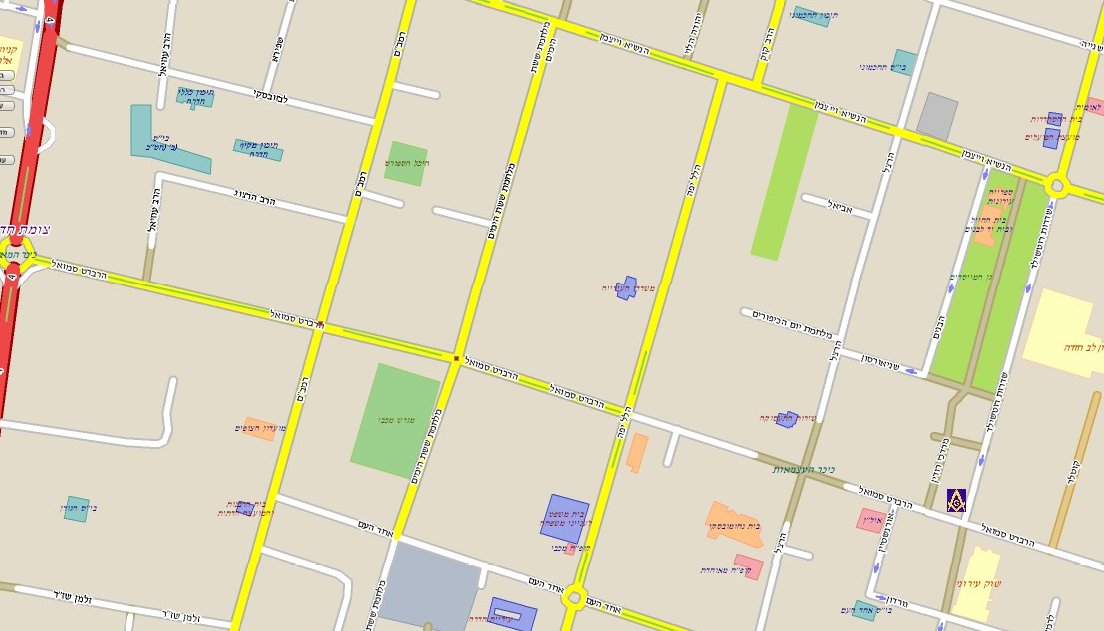
נתניה : דובקין הול, רחוב 19 יהודה הנשיא, נתניה

רעננה : רחוב המגדל 21 (מקלט מס 35), רעננה 43319
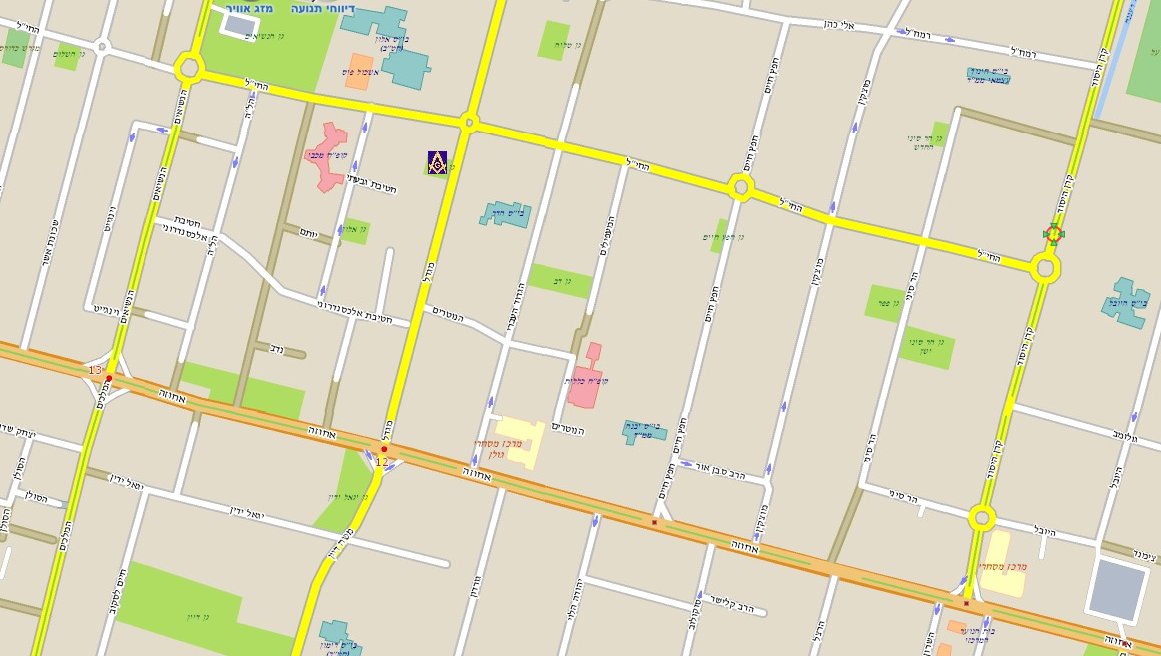
פתח תקווה : רחוב גד מכנס 22, פתח תקווה 49357
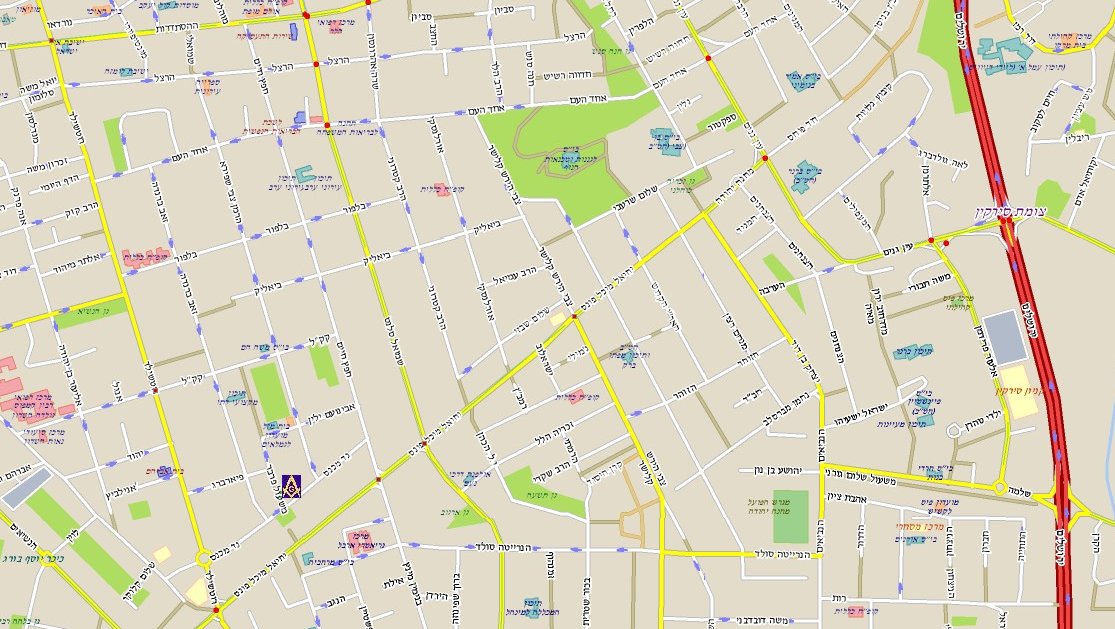
רמת גן: רחוב הרצל 59 רמת גן 52493
| שם הלשכה | שפה | יום עבודה / שבוע | מקום | |
|---|---|---|---|---|
| 34 | קדימה | עברית | ראשון / 2 | חדרה |
| 67 | גני נתניה | אנגלית | רביעי / 4 | נתניה |
| 7 | חבצלת השרון | אנגלית | ראשון / 1 | רעננה |
| 70 | רעננה | אנגלית | שלישי / 2 | רעננה |
| 75 | תאדור הרצל | ספרדית | שני / 1,3,4 | רעננה |
| 18 | דויד ילין | עברית | שלישי / 1 | פתח תקווה |
| 39 | ראש העין | עברית | שלישי / 2 | פתח תקווה |
| 52 | הוורדים | עברית | שלישי / 4 | רמת גן |
אזור הדרום
אילת : מקלט מס 10, (גג חניית קופת חולים מכבי) אילת 88000
אשקלון : שד' דרום אפריקה 18 אשקלון 78440
באר שבע : רחוב פאול בן חיים 33 , מקלט 6, ת.ד. 3367 באר שבע
רחובות : רחוב גורדון 47, רחובות 76287
אשדוד : רחוב 6 סיני (שדרות יצחק הנשיא), מקלט מס '16, אשדוד
| שם הלשכה | שפה | יום עבודה / שבוע | מקום | |
|---|---|---|---|---|
| 59 | עמודי שלמה | עברית | חמישי / 2,4 | אילת |
| 46 | שמשון | עברית | חמישי / 3 | אשקלון |
| 57 | נגהת המדבר | עברית | ראשון / 2 | באר שבע |
| 33 | ביל"ו | עברית | שלישי / 2 | רחובות |
| 79 | העוגן | עברית | ראשון / 1 | אשדוד |
Do you think about the possibility of becoming a freemason?
There are about a thousand Freemasons living in Israel. They belong to some 80 lodges throughout the country. Around the world, there are more than 6 million Freemasons and each one of them enjoys a multitude of benefits from participating in Masonry.
For some, it's about friends and new acquaintances. For some it can serve important objectives and contribute to family and to society. For most of us, this is a fun, enriching hobby.
Every freemason has a reason why they joined, what's your reason?
The Masonic order is one of the oldest, charitable, non-religious, non-political organizations in the world. It was built on solidarity and is unique for the fact that its members come from a variety of backgrounds and enjoy equality regardless of race, religion or social status. In Israel, there are brothers who speak nine different languages and practice any of the four common monotheistic religions in Israel.
Freemasonry does not discriminate based on race, religion, color, political opinion, or status.
It provides a unique environment from people of any background to learn and develop skills, establish lifetime friendships, maximize their potential and above all, enjoy a fulfilling hobby. The organization also provides a very valuable forum for discussion in an open environment, helping brothers to establish trust.
I want to be a Freemason, meet people from all the walks of life and establish true friendships.
Freemasonry prides itself on transparency. Freemasons are not only allowed to recognize each other, they are encouraged to do so. Doors are always open for any Masons. Anyone can visit the Grand Lodge, Museum or Library. All Lodges around the country are always open to visiting brothers and they offer an island of harmony and peace.
Freemasonry and justification.
Freemasonry contributes to society through their charity organizations, as well as through charitable donations. Giving comes from the order. We do not receive any external financial support. All of the money is contributed by the brothers and through their efforts.
Today, Freemasonry and the Freemasons are relevant and important than ever. The order, as it is, includes and encompasses all basic principles of good citizenship.
Many have learned through our traditional ceremonies, that taking part in the order will help improve self esteem and improve social skills.
Purposes.
When we group people with talent and an open mind, it’s important for us to give them the support and an opportunity to add to the success in their lives, in their family lives, and with their hobbies.
As he joins the organization, each Freemason embarks on his own journey for self discovery. Through three phases of promotion, brothers can advance to positions at the Lodge as well as the Grand Lodge.
You can compare these promotions to higher positions at the Lodge to promotions in the business world. Each step brings a bigger understanding and more responsibility.
Freemasonry helped me with my self esteem and helped me deal with challenges that I previously avoided.
There are many reasons to join the Freemasons. We’re more than happy to answer any question you might want to ask- whether about our history, our future, what we believe in or the work we do in the community and charitable organizations. If you want more information, you’re welcome to ask us more in the contact form.
Any correspondence can also be sent to:
|
What is Freemasonry?
Freemasonry is the world's oldest universal fraternity, which believes in the brotherhood of man under the Fatherhood of G-d. Freemasonry strives to achieve moral improvement, family values, civic betterment, freedom of thought, and tolerance. Freemasons around the world volunteer and contribute to medical research, hospitals, homes for the elderly, scholarships, and many other charitable causes.
Simply put, Freemasons believe that it is important to be a good person, and that good persons should encourage each other to become better persons, and then, regardless of economic resources, work together benevolently to help in the community. Based on these strong foundations of morality and conscience, it is not surprising that Freemasonry is the world's largest philanthropic institution, seeking to provide relief for suffering humanity.
Freemasonry is a fraternity, absolutely not a secret society. As such, it is open for membership applications and has modes of recognition. Freemasonry is definitely not a religious cult or political group; Freemasons do never discuss religion or politics. Yet, membership strictly requires belief in G-d. Furthermore, Freemasons are expected to be model citizens, faithful followers of their respective religions, and loyal patriots of their respective countries.
Who founded Freemasonry?
Freemasonry was a professional guild of Operative Masons (practical builders), or in simple words, kind of a construction craftsmen union. For many generations, the apprentices inherited from their master craftsmen many building practices and professional traditions, which are universal, and not the product of any one people or time. Freemasonry is the result of growth and development, in which many Freemasons had a part, and it has taken to itself many teachings, philosophies, systems of knowledge, and symbols.
Why Free Masons?
The craftsmen of the guild of Operative Masons were legally free to travel in foreign countries and work in various construction sites, as their profession required. Usually, they were not subject to the laws, rules, and taxes of any one country, king, or prince, who needed their practical professional skill, knowledge, and abilities.
Why Speculative?
Speculative Freemasonry is a descendant of the Operative Freemasonry. Speculative Freemasonry began with the practice of admitting to membership in Operative Lodges men who were not necessarily builders, but were interested in the moral, ethical, and philosophical teachings of the Masonic Fraternity. The Freemasonry of today does not involve practical construction of edifices, but it is a pursuit of moral knowledge.
What are the Ancient Landmarks?
Different Grand Lodges around the world have various lists of Ancient Landmarks and thus have given the tenets in the list the force of law in those Grand Lodges. Conceptually, Landmarks are fundamental laws, which no Grand Lodge can make or unmake, adopt or repeal. The Landmarks are unalterable by any individual or group. Every Freemason should ascertain what his own Grand Lodge has adopted (or not adopted) as Landmarks and govern himself accordingly.
Most Grand Lodges will agree that at least seven Masonic fundamentals are considered Landmarks:
Belief in God (monotheism) is the sole dogma of Freemasonry.
Immortality of the soul is the ultimate lesson of Masonic philosophy.
The Volume of the Sacred Law (Tanach, Bible, and/or Koran) is indispensable on the altar of a Lodge.
The legend of Hiram, involved in the construction of the Temple of Jerusalem (the first edifice built for G-d by Solomon, King of Israel).
The modes of recognition of the Fraternity.
Symbolism of the operative art by way of the professional construction tools.
A Freemason must be a freeborn male adult.
The grand lodge of the state of Israel
The Grand Lodge of the State of Israel was consecrated on October 20, 1953 at the Y.M.C.A. Hall in Jerusalem.
The first Masonic Lodge in the Holy Land was the Royal Solomon Mother Lodge No. 293, under the Grand Lodge of Canada in Ontario, whose first meeting was held in the King Solomon's Quarries of Jerusalem on May 7, 1873.
Before that, an occasional assembly of Masons performed a Secret Monitor ceremony in the same location on May 13, 1868.
TheJubileecelebration took place on October 20, 2003 in Tel Aviv.
Working days:
Every last Tuesday in months: January, March, June, September.
We hope this gives you a better understanding and an answer to Freemasonry Explained.
Any correspondence can be sent to:
|